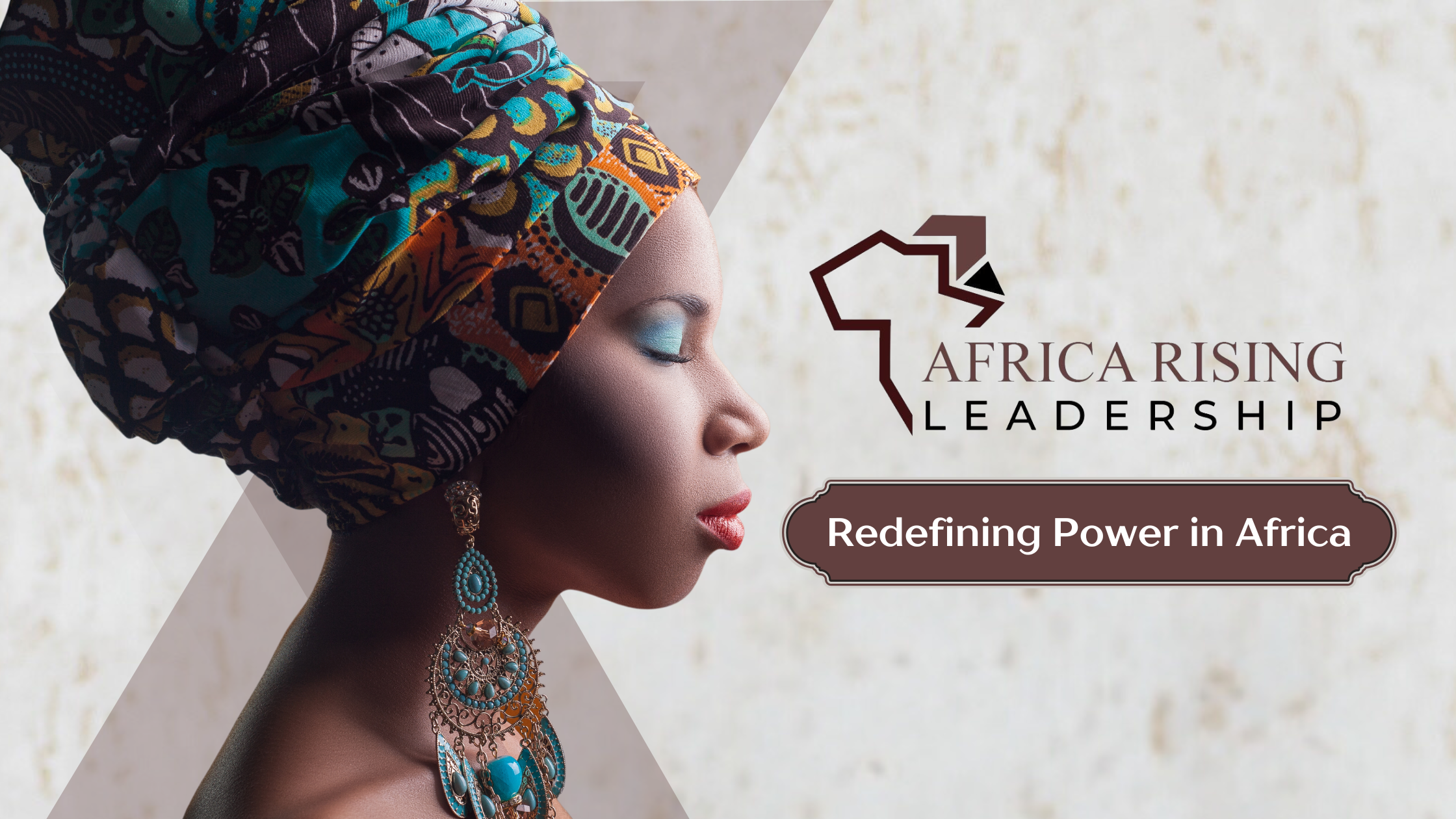
Leadership is often associated with power, influence, and the ability to drive change. In Africa, a continent rich in diversity and culture, the narrative of leadership is being redefined by the emergence of strong, visionary women who are breaking barriers and challenging the status quo. Today, women in leadership roles are not just participants; they are pioneers reshaping the future of their communities, countries, and the continent at large.

The Rise of Women Leaders in Africa
The rise of women in leadership across Africa is a testament to the relentless pursuit of gender equality and the recognition of the invaluable contributions women make in every sphere of society. From politics and business to social activism and community development, African women are stepping into roles traditionally dominated by men, bringing fresh perspectives and inclusive approaches to leadership.
In countries like Ethiopia, South Africa, and Rwanda, women are not just part of the leadership conversation; they are leading it. Sahle-Work Zewde, the first female President of Ethiopia, is a powerful example of how women can shape national policies and international relations with grace and strength. In Rwanda, women make up more than 60% of the national parliament, one of the highest percentages globally, demonstrating the impact of policies and initiatives aimed at fostering gender parity in leadership.

The Challenges Women Face
Despite these strides, the journey to leadership for African women is not without its challenges. Cultural norms, gender stereotypes, and socio-economic barriers continue to hinder women’s progress in many parts of the continent. These obstacles are often compounded by a lack of access to education, limited professional networks, and underrepresentation in decision-making processes.
However, these challenges have also fostered resilience and innovation. Women leaders in Africa are not just overcoming these barriers; they are turning them into opportunities for growth and transformation. They are advocating for policies that support women and girls, investing in education and mentorship programs, and creating platforms for women to connect, learn, and lead.

The Impact of Women Leaders
Women leaders bring a unique set of skills and perspectives to the table, often emphasizing collaboration, empathy, and community-centered approaches. Research has shown that organizations and societies benefit from diverse leadership, leading to more sustainable decision-making and improved outcomes for all.
In Africa, women leaders are driving change in critical areas such as healthcare, education, economic development, and environmental sustainability. For instance, in Kenya, Wangari Maathai, the first African woman to receive the Nobel Peace Prize, founded the Green Belt Movement, which has empowered thousands of women through environmental conservation initiatives. In Nigeria, Ngozi Okonjo-Iweala, the first woman and African to serve as Director-General of the World Trade Organization, is championing global trade policies that are fair and inclusive.
In conclusion, women in leadership are not just shaping the future of Africa; they are redefining what it means to lead. By breaking down barriers, challenging stereotypes, and championing inclusive leadership, women are driving positive change and inspiring the next generation of leaders. As we continue to celebrate and support women in leadership, let us remember that the journey toward gender equality in leadership is not just a women’s issue; it is a collective effort that benefits everyone. Together, we can build a more inclusive, equitable, and prosperous Africa for all.